
In today’s world, events are more than just gatherings. They are experiences. Whether it’s a product launch, corporate celebration, trade expo, or awards show, people expect creativity, professionalism, and flawless execution. This is where an Event Production Company becomes essential.
In the Middle East—spanning business hubs like Dubai, Abu Dhabi, Doha, and Riyadh—events are big, bold, and fast paced. Companies here often work with a Fabrication Partner in the Middle East who understands local culture and international standards. These partners are more than contractors. They are collaborators in experience design, technical planning, and execution.
In this blog, we’ll break down what an event production company does, why choosing the right partner matters, how fabrication fits into the process, and how organizations across the region benefit from working with Middle East’s leading event production house. Whether you’re planning a small brand activation or a large‑scale conference, this guide will help you understand every stage of successful event production.
What Is an Event Production Company?
An Event Production Company is a team of creative, technical, and logistical experts who bring events to life. They handle everything from initial concept to final breakdown. This includes:
Event theme and creative concept
Stage design and fabrication
Lighting and sound systems
AV and multimedia integration
Fabrication of custom elements
On‑site event management
Vendor coordination
In the Middle East, top companies go beyond running events. They focus on building experiences that leave an impression. These companies often act as both the creative minds and the hands that build what they envision.
Why the Middle East Is a Unique Market
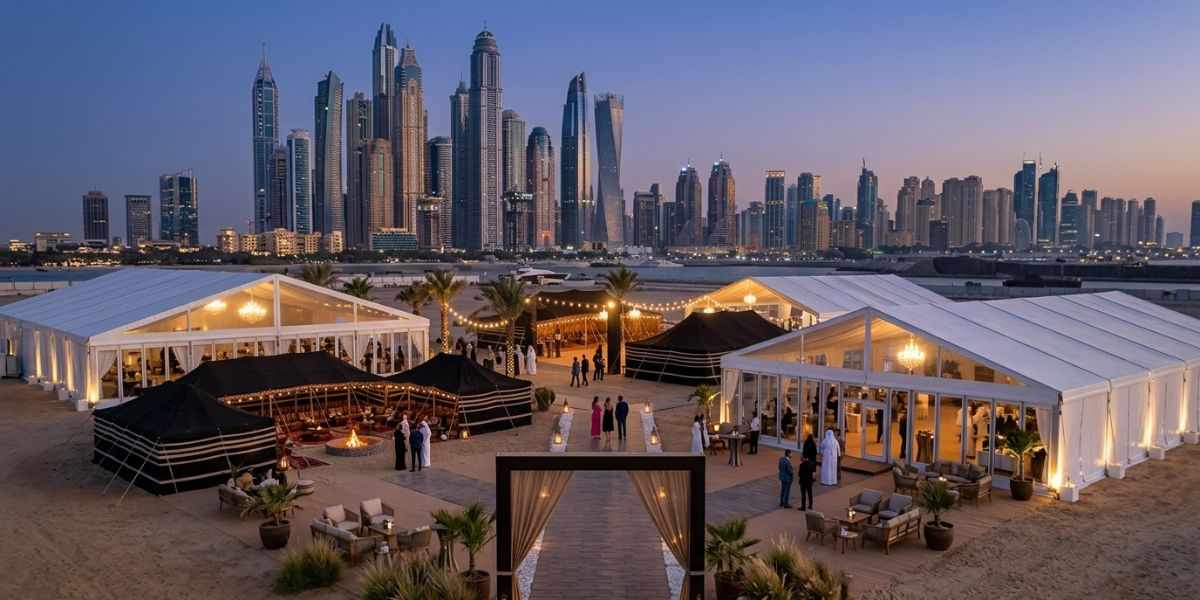
The Middle East has become one of the world’s fastest‑growing event markets. Cities like Dubai, Abu Dhabi, Doha, and Riyadh host global sporting events, international expos, luxury brand activations, and government‑sponsored festivals.
These markets demand high standards of design and execution, which pushes Event Production Company teams to innovate constantly. In this competitive landscape, an event partner must combine global best practices with an understanding of local culture and audience expectations.
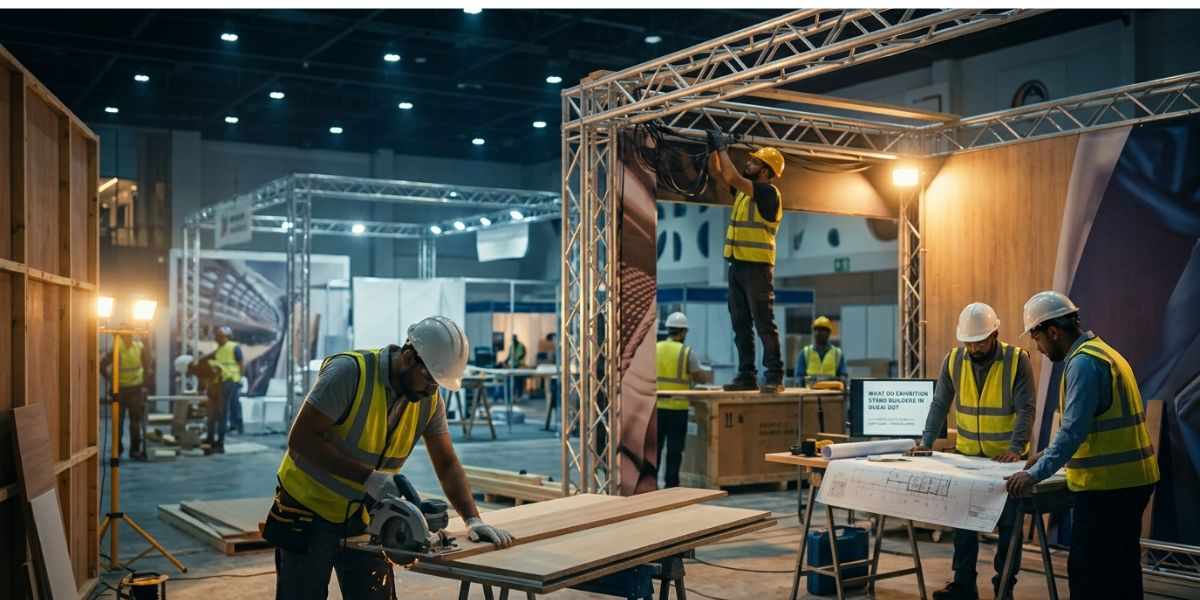
The Role of a Fabrication Partner in Successful Events
A Fabrication Partner in the Middle East is a specialized collaborator within the event process. Sometimes this role is part of the main production company. Other times, it is a trusted external partner.
What does fabrication mean in event production?
Fabrication involves building physical components needed for your event. This includes:
Custom stages and backdrops
Exhibits and displays
Props and thematic elements
Branded structures and signage
Special build‑outs for exhibitions and expos
In other words, fabrication turns ideas into tangible components. Without skilled fabrication, even the best event concepts can fall flat.
A reliable fabrication partner:
Uses high‑quality materials
Understands structural safety
Meets venue constraints
Delivers on time
Works within budget
In cities like Dubai and Riyadh, where events are often cutting edge, fabrication partners help production companies bring ambitious designs to life.
What a Middle East’s Leading Event Production House Offers
A leading event production house in the Middle East goes beyond surface design. These companies offer integrated services including:
Creative Concept and Theme Development
They help clients define the purpose of the event and build a concept that aligns with brand values.
Technical Planning and Engineering
Experts handle lighting plots, sound design, rigging, and AV systems. They use technology to enhance audience engagement.
Custom Fabrication and Build
The right partner works with in‑house or trusted external fabricators to produce custom elements that fit the creative vision.
Logistics and Operations
They coordinate delivery, installation, show management, and dismantling.
On‑Site Execution
During the event, production teams manage light cues, audio, timing, safety, and staffing.
The Event Production Process: From Concept to Completion
Let’s walk through the typical stages of a professional event production project:
1. Discovery and Briefing
The process starts with listening. The production team meets you to understand:
Your goals
Audience size
Venue limitations
Budget
Timeline
This step ensures everyone is aligned.
2. Concept Development
Once the brief is clear, the creative team develops visual concepts. These can include sketches, mood boards, and preliminary designs. Here, collaboration with a Fabrication Partner in the Middle East ensures that ideas are practical and buildable.
3. Design and Engineering
After concept approval, detailed designs are created. This includes:
3D modeling
Technical drawings
Lighting and sound blueprints
Material specification
This phase bridges imagination and execution.
4. Fabrication and Production
With final designs in hand, fabrication begins. Custom elements are built in workshops and tested before being shipped to the venue.
5. Installation and Rehearsal
The production team installs all components on site. Lighting and sound are tested. Rehearsals ensure everything works seamlessly.
6. Event Execution
During the live event, professionals manage cues, adjust technical elements, and handle any real‑time needs.
7. Dismantle and Storage
After the event, teams dismantle and store reusable elements. A good partner helps you evaluate what worked and what could improve.
Why Choosing the Right Event Production Company Matters
Picking the wrong event partner can lead to:
Budget overruns
Technical glitches
Safety issues
Poor audience engagement
Damage to brand reputation
Here’s why the right event production team makes a difference:
Experience
Experienced producers know how to avoid common pitfalls.
Technical Expertise
They understand the latest technology and safety standards.
Creativity
Strong creative teams bring fresh, impactful ideas.
Problem Solving
Live events come with surprises. Skilled teams adapt quickly.
Network
Established companies work with trusted vendors, fabricators, and logistics partners.
Event Production in the Middle East: Trends You Should Know
The Middle East market is dynamic. Some trends shaping the industry include:
Immersive Experiences
Events now focus on interaction and engagement through multimedia and immersive design.
Sustainability
Eco‑friendly materials and energy‑efficient production practices are on the rise.
Hybrid Events
Incorporating both virtual and in‑person elements helps reach larger audiences.
Technology Integration
LED screens, projection mapping, AR/VR, and mobile interactivity are common tools.
A top Event Production Company embraces these trends to keep events relevant and memorable.
Fabrication and Safety Standards
In the Middle East, venues enforce strict safety and compliance rules. Fabrication isn’t just about aesthetics. It must meet:
Fire safety codes
Structural load limits
Electrical standards
Rigging and hanging regulations
A skilled Fabrication Partner in the Middle East understands these regulations. They work closely with venues to secure necessary approvals.
Cost Considerations in Event Production
One of the most common questions event planners ask is about cost. Event production pricing depends on:
Scope of the event
Venue size and location
Technical requirements
Custom fabrication needs
Staffing and logistics
A detailed quote from your Event Production Company should include:
Design fees
Fabrication and material costs
Equipment rentals
On‑site labor
Transportation and setup fees
Transparency is key. A reliable production partner will walk you through the budget so you know what to expect.
Working With Multiple Stakeholders
Large events include many moving parts. A production company must manage:
Venue managers
Lighting techs
AV crews
Fabrication teams
Security
Catering and hospitality
Coordination is vital. The best event teams use project management tools and regular communication to ensure smooth execution.
The Benefits of Professional Event Production
Here are the key benefits of working with a top‑tier event production company:
Brand Impact
Professional design makes your event feel intentional and polished.
Audience Engagement
High production value keeps attendees interested and involved.
Predictability
Experienced teams reduce the risk of last‑minute issues.
Better ROI
Well‑executed events lead to stronger impressions and measurable results.
Case Studies: Real Examples (Hypothetical)
To illustrate how it works, here are a few real‑world‑style examples of successful projects:
International Tech Conference in Dubai
The production team created a central stage with custom fabrication, immersive lighting, and multi‑camera live streaming.
Luxury Product Launch in Riyadh
A branded experiential space was built with elegant materials and interactive displays. The client reported high social engagement.
Regional Awards Gala in Abu Dhabi
The evening included customized LED walls, dynamic sound design, and audience‑responsive lighting.
These case snippets show how tailored production and fabrication work together for maximum impact.
Choosing Your Event Production and Fabrication Partner
When selecting a partner, ask these questions:
What experience do you have in my industry?
Can you show past work?
How do you handle safety and compliance?
What’s included in your pricing?
Do you manage logistics and installation?
Your partner should feel like a collaborator, not just a vendor.
FAQs
Here are five commonly searched questions about event production, with clear answers:
1. What does an event production company do?
An event production company manages creative design, technical systems, logistics, and execution to make events successful.
2. How much does event production cost?
Costs vary based on event size, complexity, fabrication needs, and technical elements. Always ask for an itemized quote.
3. What is fabrication in event production?
Fabrication means building physical elements like stages, displays, and custom props that bring an event design to life.
4. How far in advance should I book a production company?
For large events, you should begin planning 3–6 months ahead. Smaller projects may require less time.
5. Why choose a local production partner in the Middle East?
Local partners understand venue rules, cultural expectations, and regional logistics, which streamlines planning and execution.
Final Thoughts
An Event Production Company in the Middle East is more than a service provider. It’s a strategic partner in creating memorable experiences. From conceptual design to fabrication and on‑site execution, a professional team transforms ideas into engaging realities.
When you choose a trusted Fabrication Partner in the Middle East and work with Middle East’s leading event production house, you gain creativity, technical expertise, and peace of mind. Whether your goal is brand exposure, audience engagement, or a seamless event experience, the right production team turns vision into reality.
Successful events don’t happen by accident. They are planned, designed, engineered, and executed by professionals who know how to balance creativity with logistics. That’s the true value of an event production partnership.
Write a comment ...